Raising the standard of safeguarding in outdoor education
At Wilderness Expertise, safeguarding underpins everything we do.
We believe that children and young people deserve the same high standards of safeguarding wherever their learning takes place; whether in the classroom, on an expedition or taking part in an outdoor residential. We bring our understanding of safeguarding within education into the outdoor environment, to strengthen our practice and challenge expectations across the industry.
With dedicated safeguarding leadership, clear reporting procedures and a strong investment in staff training, we work to ensure that safeguarding is embedded in our culture, our people and every programme we deliver.
Our commitment extends beyond our own organisation. We provide safeguarding training to our freelance team and professionals across the outdoor industry, to create a culture where safeguarding is understood, prioritised and continually improved.
Safeguarding leadership informed by education
Wilderness Expertise benefits from dedicated safeguarding leadership, informed by first-hand experience of the education sector.
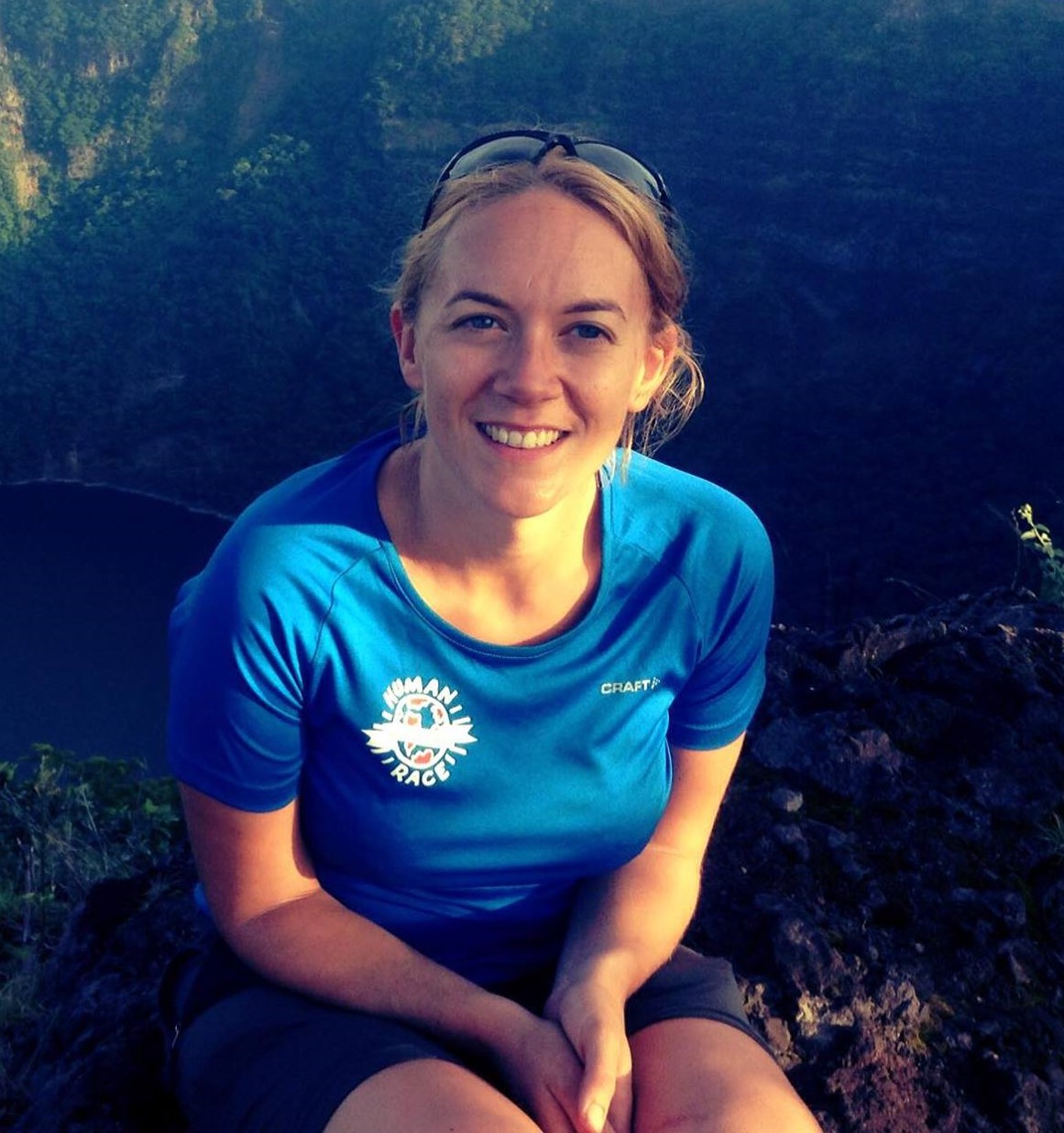
Karen Dax, our Programme Manager and Designated Safeguarding Lead (DSL), brings extensive experience of secondary education, including senior leadership. Alongside her role at Wilderness Expertise, Karen works in a school as an Educational Visits Coordinator and Associate Assistant Head.
This combination of experience provides a valuable perspective on the safeguarding responsibilities schools carry, the systems they expect their partners to have in place, and the importance of ensuring that every adult working with young people understands their responsibilities.
Karen uses this knowledge to inform and strengthen safeguarding practice at Wilderness Expertise, and to continually review our own approach.
Schools can feel confident that safeguarding is being considered with the same seriousness and professional accountability as within their own settings.
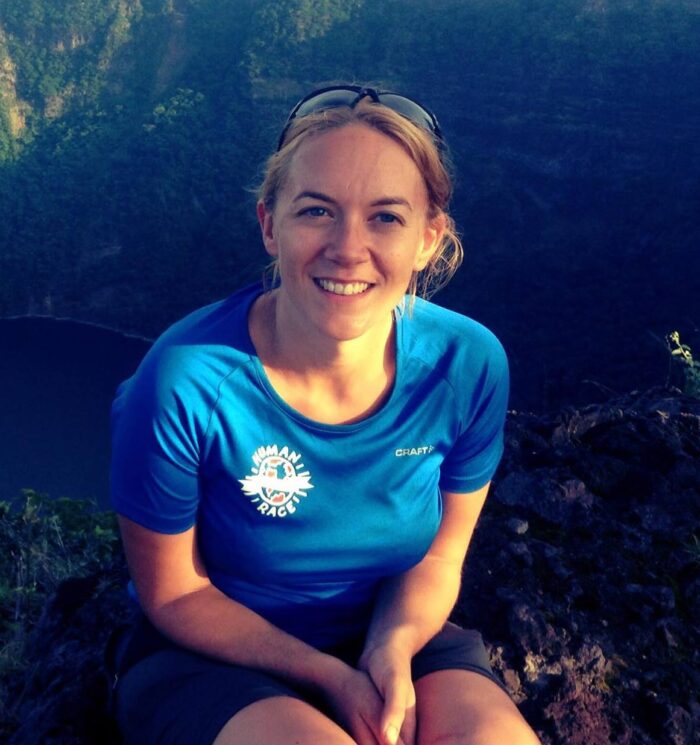
Karen Dax, our DSL
Safeguarding in practice
We believe effective safeguarding depends on knowledgeable people, clear systems, support and a culture where everyone understands their responsibility to keep young people safe.
Recruitment, training and preparation
We set clear expectations for the freelancers who work with us. Our team must meet relevant safeguarding training requirements, with safeguarding qualifications kept current in line with our expectations. Appropriate recruitment checks, relevant qualifications and continuous professional development are integral to our approach.
We invest in training because we want our freelancers to understand what safeguarding requires, and how to apply that knowledge when working with children and young people in outdoor environments.
Clear reporting and direct DSL oversight
We provide every freelancer with access to a secure safeguarding reporting system. This enables concerns to be raised directly with our DSL, no matter how big or small they may appear.
We want our team to feel confident reporting concerns. A concern does not need to be proven or investigated by the person reporting it. Our expectation is that concerns are recorded and passed on appropriately, allowing them to be considered and followed up by the DSL.
This provides a clear route for reporting, supports appropriate oversight and reinforces the message that safeguarding is everyone’s responsibility.
Support and accountability in the field
Outdoor programmes bring their own circumstances and challenges. Staff may be working away, supervising groups in unfamiliar environments or supporting young people who are away from their usual support networks.
Our freelancers understand how to recognise and report concerns in these settings, maintain appropriate professional boundaries and know where to turn for advice and support.
We provide clear procedures and operational support, alongside dedicated DSL oversight, so that safeguarding responsibilities remain clear throughout programme delivery.
Working in partnership with schools
We recognise that schools know their students best and that effective safeguarding depends on good communication and shared understanding.
We work with schools to understand participant needs in advance, helping us prepare our teams and deliver programmes that are safe and inclusive.
Our approach is designed to complement schools’ own safeguarding arrangements and support the safe delivery of meaningful outdoor experiences.
Training that goes beyond a certificate
We believe that high-quality safeguarding training helps professionals recognise concerns, understand their responsibilities and respond appropriately when something does not feel right.
Investing in our freelance team
We encourage our team to develop and maintain their safeguarding knowledge. We offer Level 3 safeguarding training to support this commitment. Our team can build the knowledge and confidence needed when working with children and young people.
Our training aims to develop three essential elements:
- Recognition: understanding how safeguarding concerns may present themselves in less structured outdoor environments.
- Response: knowing how to respond appropriately, record and report concerns, and understand the boundaries of one’s role.
- Responsibility: treating safeguarding as an ongoing professional responsibility..
Making training accessible across the outdoor industry
Our commitment to raising standards extends beyond Wilderness Expertise. Our Level 3 safeguarding training is available to all professionals in our industry.
The course provides a general safeguarding qualification, with practical examples tailored to the situations participants may encounter when working outdoors. Drawing on experience in education and outdoor programme delivery, we explore how safeguarding principles can be applied in real-world outdoors contexts.
The training meets the relevant safeguarding qualification requirement, and is recognised by the Institute for Outdoor Learning, and the new IML syllabus.
Raising standards together
We believe the outdoor industry has an opportunity to continually strengthen its approach to safeguarding. We encourage a culture of ongoing learning, reflection and improvement.
At Wilderness Expertise, we are committed to reviewing our practice, investing in our people and sharing our knowledge to support better safeguarding across outdoor education.
For schools, this means working with a provider that deeply understands the expectations of the education sector and takes its responsibility for safeguarding seriously.
For our industry, it means contributing to a culture in which safeguarding is prioritised, concerns are taken seriously and the safety and welfare of young people is central to every programme.
Safeguarding is everyone’s responsibility.
Talk to us about safeguarding
If you are a school considering working with Wilderness Expertise or would like to understand more about our safeguarding procedures and approach, we are happy to discuss how we support our team, how concerns are reported and managed, and how we work with schools to support the safety and welfare of the young people in our care.
Work in the outdoor industry? Get in touch about upcoming Level 3 training.